Factors such as exposure to artificial light, particularly blue light emitted by screens, can disrupt the natural production of melatonin, leading to sleep disorders and other health issues. This calcification process has led to concerns about the potential impact on spiritual and cognitive abilities, as well as overall health. The health of the pineal gland is essential for both physical and mental well-being. Furthermore, the accumulation of calcification in the pineal gland, often attributed to fluoride exposure and other environmental toxins, can impair its function.
 During the day, when light is abundant, the production of melatonin is suppressed, allowing individuals to remain alert and active. The gland is sensitive to light exposure; it receives information about the light-dark cycle through the eyes. The pineal gland is situated near the center of the brain, nestled between the two hemispheres, and is composed of pinealocytes, which are specialized cells responsible for melatonin production. Conversely, as darkness falls, melatonin secretion increases, signaling the body to prepare for sleep.
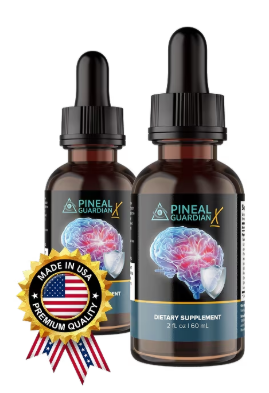
It is responsible for producing melatonin, a hormone that regulates sleep-wake cycles. The pineal gland, often referred to as the “third eye,” is a small endocrine gland located in the brain. The supplement is marketed primarily towards individuals seeking natural ways to improve their mental acuity and overall well-being. The Pineal Guardian claims to support the optimal functioning of this gland, thereby enhancing sleep quality and cognitive function.
Each of these components has been studied for its potential benefits to brain health and hormonal balance. Pineal Guardian is marketed as a natural supplement designed to support pineal gland health and enhance its function. The product claims to aid in the decalcification of the pineal gland, improve sleep quality, and promote overall mental clarity. The primary ingredients in Pineal Guardian typically include a blend of vitamins, minerals, and herbal extracts, such as magnesium, vitamin K2, turmeric, and various adaptogens.
Understanding the significance of the pineal gland and taking steps to maintain its health can lead to improved well-being and a deeper connection to one’s inner self. As research continues to explore the complexities of the pineal gland, it remains a fascinating area of study, bridging the gap between science and spirituality. In conclusion, the pineal guardian represents both a physiological and a metaphysical protector, playing a vital role in regulating sleep and fostering spiritual awareness.
One of the standout features of Pineal Guardian is its focus on promoting a balanced sleep cycle. Many users report experiencing deeper and more restorative sleep, which can significantly impact overall well-being. This is particularly beneficial for individuals struggling with insomnia or pineal guardian irregular sleep patterns. Improved sleep can lead to enhanced mood, better cognitive performance, and increased energy levels throughout the day.
Some users report improved sleep quality and enhanced mental clarity after incorporating the supplement into their routine. Others, however, have not noticed significant changes, leading to mixed reviews. User experiences with Pineal Guardian vary widely. It is essential to note that individual responses to supplements can differ based on various factors, including diet, lifestyle, and overall health.
As the name suggests, it is designed to act as a guardian for the pineal gland, a small endocrine gland located in the brain that is often associated with the regulation of sleep patterns and circadian rhythms. This report delves into the key components of Pineal Guardian, its purported benefits, and the feedback from users. Pineal Guardian is a supplement that has gained attention for its potential benefits related to enhancing mental clarity, promoting relaxation, and supporting overall brain health.
One of the main claims of Pineal Guardian is its ability to enhance sleep quality. This is attributed to the presence of melatonin precursors and other supportive nutrients that help regulate sleep cycles. Many users report experiencing deeper, more restful sleep after incorporating the supplement into their nightly routine. For individuals struggling with insomnia or irregular sleep patterns, Pineal Guardian may offer a natural alternative to over-the-counter sleep aids.
This calcification may impair the gland’s ability to produce melatonin effectively, leading to sleep disturbances and other issues. One of the most significant claims made by Pineal Guardian is its ability to decalcify the pineal gland. Ingredients like magnesium and vitamin K2 are known for their roles in calcium metabolism and may help in reducing calcification. Calcification of the pineal gland is a common phenomenon that can occur due to aging, fluoride exposure, and other environmental factors. However, while some studies suggest that these nutrients can support overall brain health, there is limited direct evidence specifically linking them to pineal gland decalcification.
شارك